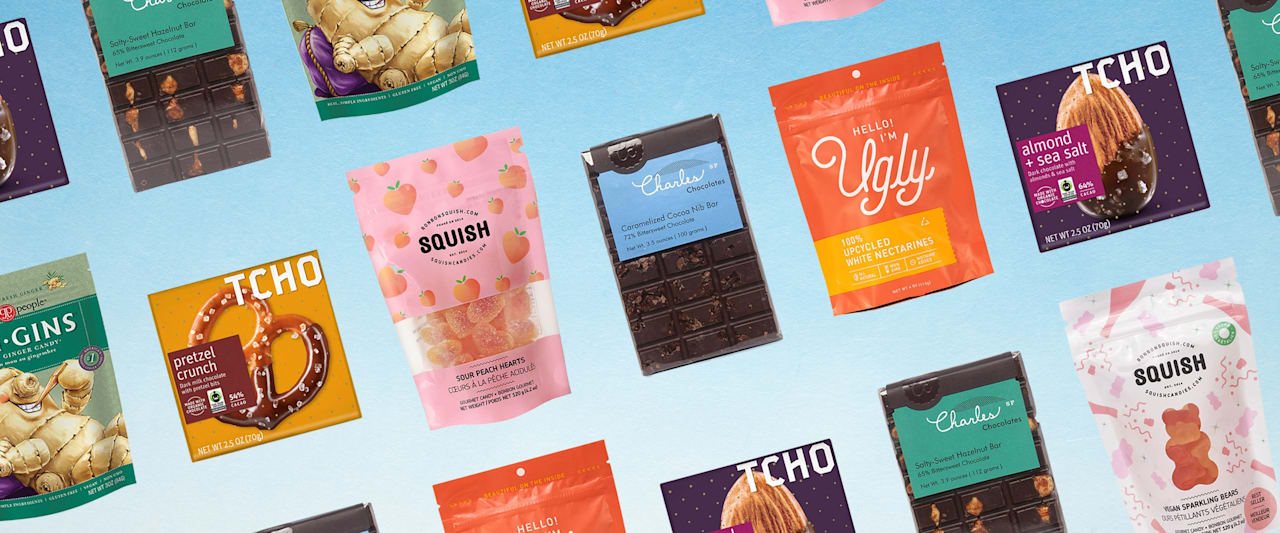
Through our stomachs and into our hearts
Conventional wisdom has long taught us to structure our daily noshing around three square meals from morning to night. But with changing lifestyle habits and increasingly convenient and delicious food options, more hungry souls are realizing that the true spice of life can be found beyond the traditional repasts of breakfast, lunch, and dinner. As a result, there’s been a rapid rise in recent years of “snackification” — the trend of replacing main meals with snacks. From being a taste of comfort in the pandemic to providing much-needed mood and energy boosts to multitasking consumers, here’s a look at how and why snacking found a way through our stomachs and into our hearts.
Snacking up while locking down
According to Mondelez International’s 2020 State of Snacking report, 52 percent of adults surveyed worldwide called snacking a “lifeline” during the pandemic, and 46 percent said they snacked more amid COVID-19 than before it. Comfort was among one of the main reasons people were more peckish, especially during those stressful early days with lockdowns and other social-distancing restrictions. Unable to dine out at restaurants, many stocked up on snacks as a way to treat themselves at home, and everything from a large handful of pretzels to a plate of cream-filled cookies became essential mood-lifters during uncertain times.
Furthermore, lockdown life has also led to a surge in the number of those who are eschewing the rigid three-meal regimen in favor of snacking throughout the day. While the “anytime, anywhere” ethos of snackification has been gaining traction especially among younger, busier and more mobile consumers for a while now, the flexibility it affords has also become more widely embraced as people have had to juggle new schedules that come with working from home.
Eating for good
From salty crisps to sugary confections, snacks are often thought of as sinful indulgences. But the times they are a-changing: Driven by growing consumer awareness about health and wellness — a trend that’s been accelerated by the pandemic — a new generation of snack makers are proving that things that are insanely delicious don’t have to be bad for you. In particular, there’s been a rise in plant-based snacks, from vegan gummy candies to artisanal chocolates, as well as products that are low in fat and sugar but high in protein or other functional nutrients. Companies and consumers are also paying more attention to the environmental impact of a snack’s production and packaging, leading to more options on the market for those looking for sustainable, planet-friendly ways to satisfy the munchies.
Growing appetite for connection
Food brings people together, and this proved especially true amid the pandemic. In particular, the resurgence of nostalgic nibbles, such as Dunkaroos in the U.S. and banoffee pie in the U.K., allowed consumers to relive shared memories of simpler and happier times even during periods of social distancing. The explosion of food content on social media has also given people a way to connect via what they eat or want to eat, even when they’re physically apart. In fact, according to Mondelez, 55 percent of global consumers said that social media inspired them to try a new snack in 2021, and this trend was especially prevalent among younger generations. From ramen hacks to #whippedcoffee, food trends seen online have also become topics of conversation in real life. All this goes to show that when it comes to snacks, sharing is definitely caring.
Feeling peckish? Explore DFS’ range of sumptuous and cult-beloved snacks
